Knowing how to check a website before clicking has become an essential digital skill. Between phishing attacks, fake online stores, malware, and increasingly sophisticated scams, a single careless click can expose your personal or professional data.
The good news: there are simple methods and reliable tools to quickly evaluate whether a website is trustworthy before interacting with it.
This guide takes a practical cybersecurity approach to help you identify genuine trust signals and avoid common traps.
Table of Contents
Why checking a website matters more than ever
Online threats have evolved
Cyber threats no longer target only large organizations. Everyday users now face risks such as:
- Phishing websites imitating trusted brands
- Malicious pages distributing malware
- Fake e-commerce stores
- Payment scams and credential theft
Phishing, for example, is designed to trick users into revealing passwords or sensitive information. If you want a technical overview, you can explore this explanation of phishing.
HTTPS is not absolute proof of safety
Many people assume that a padlock icon or HTTPS automatically means a website is safe. That assumption is dangerous.
HTTPS encrypts the connection between you and the site—but it does not guarantee the site itself is legitimate.
A fraudulent website can still use HTTPS perfectly.
How to check a website effectively
1. Use Google Safe Browsing
Google provides an official tool that helps evaluate whether a suspicious URL has been flagged for security issues.
You can use Google Safe Browsing to check a website before clicking.
It helps detect:
- Malicious websites
- Phishing pages
- Dangerous reported content
This should be one of your first checks.
2. Inspect the URL carefully
Many scams rely on deceptive domain names such as:
- amaz0n-login.com
- paypal-secure-check.net
- micr0soft-verification.org
Warning signs include:
- Misspellings
- Unusual domain extensions
- Suspicious subdomains
3. Check domain legitimacy
A luxury online store created three days ago? That’s a serious warning sign.
WHOIS lookup tools can help verify:
- Domain creation date
- Hosting country
- Ownership history
4. Watch for UX red flags
Fraudulent websites often reveal themselves through poor execution:
- Broken design consistency
- Obvious grammar mistakes
- Poor translations
- Missing legal information
Some scam sites look convincing at first glance—but details often expose them.
Useful tools to check a website
Google Safe Browsing
Fast, official, and highly practical.
VirusTotal
Analyzes suspicious URLs using multiple security engines.
WHOIS lookup services
Useful for checking domain technical details.
Browser reputation extensions
Helpful for real-time warnings while browsing.
Red flags that should make you leave immediately
- Urgent payment requests
- Forced login prompts
- Unrealistic discounts
- Strange or unprofessional design
- Suspicious domain naming
Psychological pressure is a classic scam tactic.
General cybersecurity best practices
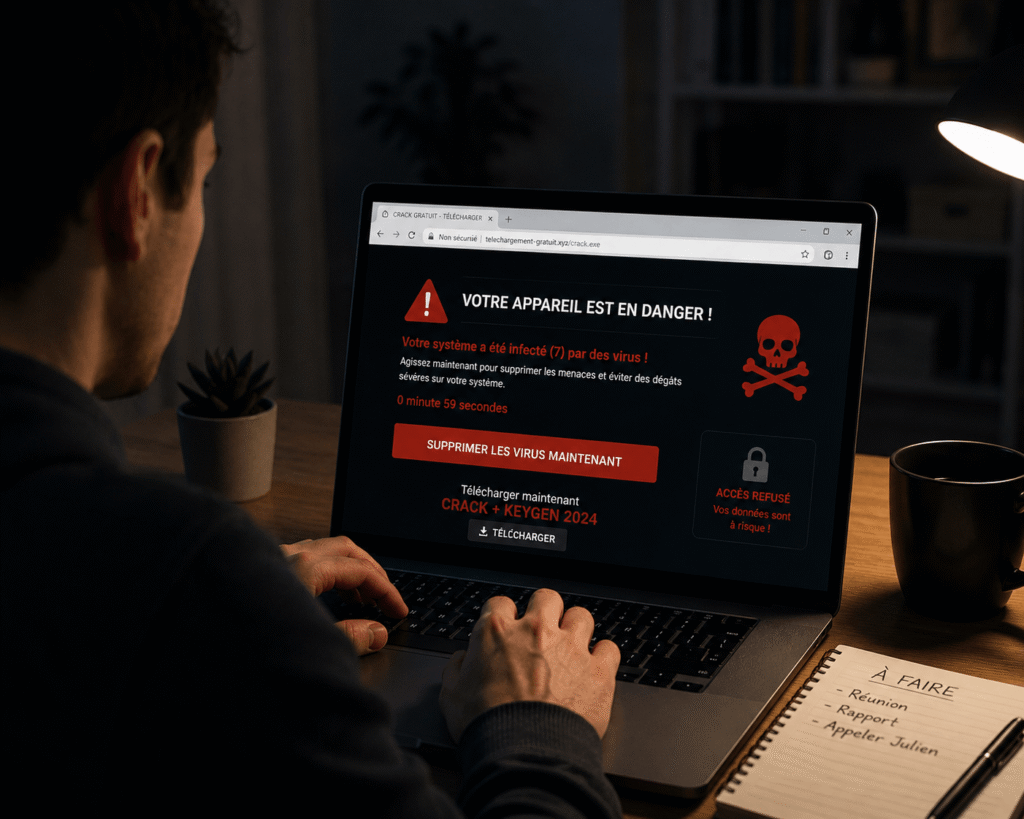
Never click under pressure
Messages claiming “account suspended” or “urgent payment required” should trigger immediate skepticism.
Use multi-factor authentication
Even if credentials are compromised, MFA dramatically reduces risk.
Keep systems updated
Security patches fix vulnerabilities actively exploited by attackers.
Checking a website: the rational approach
Good digital security is not about paranoia—it’s about repeatable habits:
- Inspect the URL
- Check reputation
- Look for subtle warning signs
- Never act in urgency
Thirty seconds of verification can prevent major damage. And for downloading team, it’s better to download on official website. For exemple, for music, you can download it on Spotify website.
Conclusion
Knowing how to check a website is now a core digital survival skill.
The web is incredibly useful—but also full of sophisticated malicious actors.
The goal is not fear. The goal is rational vigilance, supported by reliable tools and good decision-making habits.